
3 Powerful Ways Auto Repair Shop Saves Money
Posted June 16, 2026
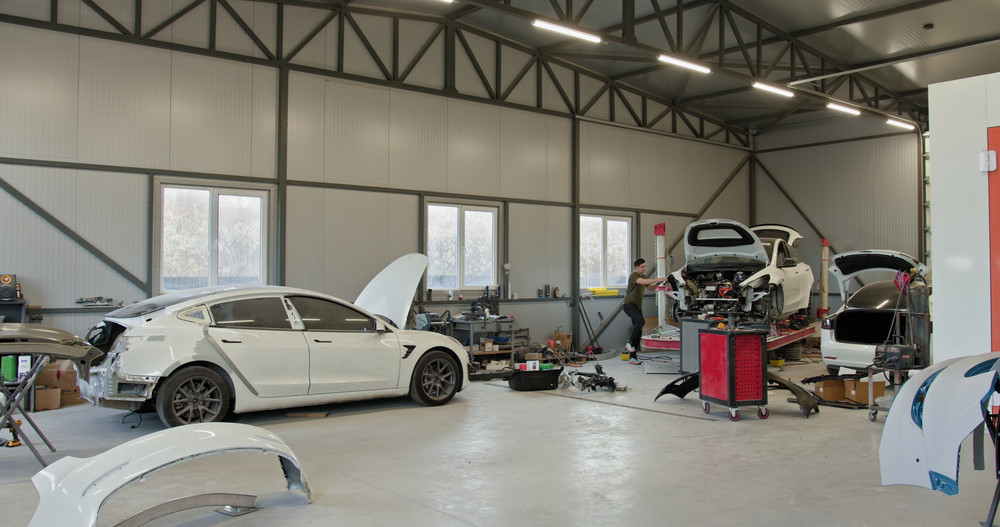
Running an auto repair shop requires balancing service quality with rising operational costs. Drivers want fast, reliable repairs, while shop owners need to protect margins and reduce waste. Efficiency plays a central role in keeping operations stable without sacrificing workmanship. Small improvements in daily workflow can lead to noticeable long-term savings for any auto shop.
1. Streamlining the Diagnosing and Repairing Process
Improving diagnostic speed is one of the most effective cost-saving strategies. Modern vehicles depend on accurate tools, and outdated methods often lead to wasted labor hours and incorrect part replacements. A more streamlined process helps an auto shop identify issues faster and move directly into repairs. This reduces downtime and increases the number of completed jobs each week.
Faster diagnostics also improve customer experience by reducing wait times and uncertainty. When technicians work with precision from the start, there is less need for repeat visits or rework. This efficiency supports stronger productivity while keeping operating costs under control.
2. Managing the High-Frequency Repairing Needs
Some vehicle issues occur far more often than others, and managing these patterns helps reduce unnecessary spending. According to Zipdo, battery-related issues account for roughly 40% of all vehicle repairs when paraphrased, making them one of the most common services in the industry. For an auto repair shop, this creates an opportunity to better plan inventory and streamline common repair workflows.
By preparing for frequent repairs, shops can reduce emergency ordering and take advantage of bulk pricing from suppliers. Technicians also become faster and more consistent when handling repeat issues, which lowers labor time per job. These efficiencies help stabilize costs while improving overall service speed and reliability.
3. Optimizing the Labor and Inventory Management Systems
Effective labor scheduling is essential for controlling overhead costs. Aligning technician availability with demand prevents overstaffing during slow periods and ensures adequate coverage during busy times. A well-structured auto repair shop benefits from matching labor output with actual workload needs, keeping payroll more predictable.
Inventory control is just as important for maintaining financial efficiency. Overstocking ties up capital, while understocking leads to delays and rushed purchases at higher costs. Tracking usage trends helps shops maintain the right balance of parts and avoid unnecessary expenses. When labor and inventory systems work together, operations become smoother and more cost-efficient.
Profitability in an auto shop depends on refining systems rather than cutting corners. Faster diagnostics, smarter handling of common repairs, and improved labor and inventory planning all contribute to lower operational costs. These strategies build a more efficient and reliable business that benefits both customers and the shop. Contact AM-PM Automotive Repair!