
3 Overlooked Fluids Your Mechanic Should Check
Posted October 16, 2026
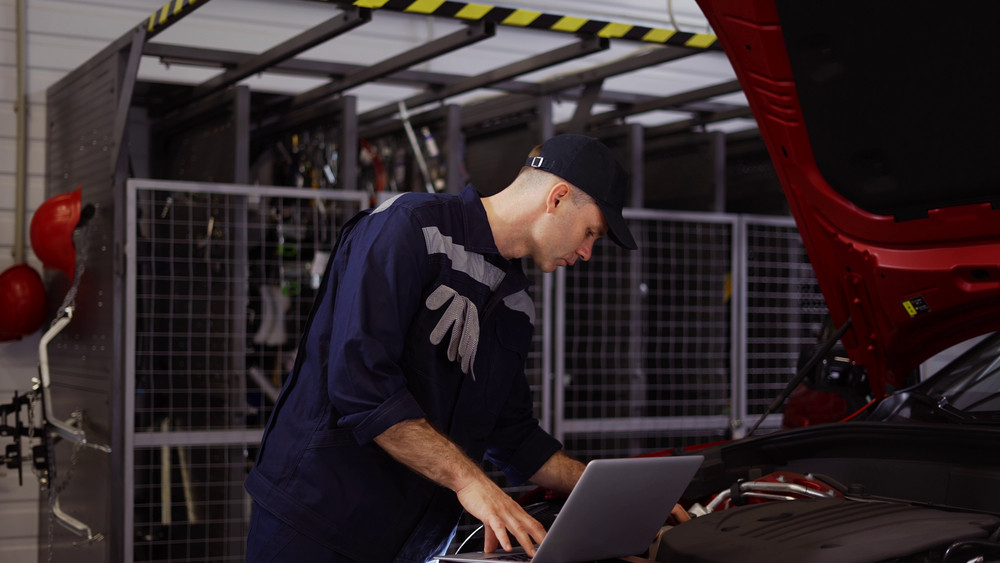
When drivers think about vehicle maintenance, oil changes, tire rotations, and brake inspections often come first. However, other fluids also keep essential components working properly. Regular checks with a mechanic can help catch problems before they become costly repairs.
1. Monitoring Differential Fluid
Differential fluid is easy to forget because it does not receive the same attention as engine oil. It lubricates the gears inside the differential, helping them move smoothly while reducing friction, heat, and wear. Over time, the fluid can become contaminated or lose its ability to protect those components, particularly in vehicles that regularly tow, haul heavy loads, or travel under demanding conditions.
A routine inspection can reveal low fluid levels, leaks, or signs that the fluid needs replacement. If you notice unusual whining, grinding, or other noises coming from the drivetrain, it is worth having the differential checked. Addressing a fluid issue early can be much simpler than dealing with damaged gears later.
2. Checking Power Steering Fluid
Power steering fluid helps create the hydraulic pressure needed to make steering easier and more responsive in vehicles equipped with hydraulic power steering systems. If the fluid level drops too low or the fluid becomes degraded, steering may feel heavier or less consistent than usual. A mechanic can check the fluid level and look for leaks that could explain why it is disappearing.
According to Consumer Reports, 68% of respondents in a car repair survey reported that their repair was finished within a day or less, while 91% said the shop completed the work within its original estimated timeframe. Staying on top of routine fluid checks can help keep maintenance predictable and reduce the chances of a small issue becoming a larger repair.
3. Inspecting Brake Fluid
Brake fluid deserves particular attention because it plays a direct role in how the braking system operates. It transfers the hydraulic pressure created when you press the brake pedal, allowing the brakes to engage effectively. Because brake fluid can absorb moisture over time, its condition can affect braking performance and related components.
Signs such as a soft or spongy brake pedal, changes in braking response, or a low fluid level should not be ignored. Regular inspections with a mechanic can help identify contamination, leaks, or other concerns before they affect your ability to stop safely.
Checking these overlooked fluids can help keep your vehicle running reliably and prevent avoidable repairs. For routine fluid inspections and maintenance, contact AM-PM Automotive Repair.