
3 Expensive Suspension Issues an Auto Repair Shop Finds
Posted August 27, 2026
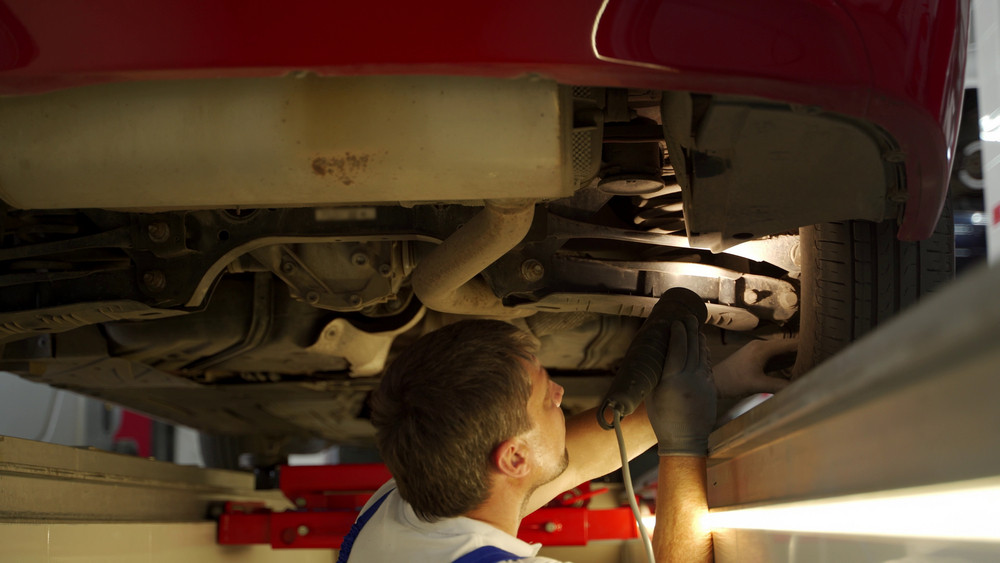
Suspension problems have a way of sneaking up on drivers. A vehicle may still feel mostly normal while small noises, uneven handling, or tire wear signal that something more serious is developing underneath. Knowing which suspension components can become expensive to repair makes it easier to recognize warning signs and address them before a minor issue becomes a major repair.
1. Replacing Worn Shocks and Struts
Shocks and struts work hard every time a vehicle travels over bumps, potholes, and uneven pavement. As these components wear down, drivers may notice a rougher ride, excessive bouncing, nose-diving while braking, or uneven tire wear. An auto repair shop may also find that worn shocks or struts have contributed to stress on other suspension components, increasing the overall repair cost.
Replacing these parts can become particularly expensive when multiple shocks or struts need attention at once. The exact price depends on the vehicle, the parts required, and the labor involved. Taking care of the problem early can help prevent additional wear and keep the vehicle handling more predictably.
2. Repairing Damaged Control Arms
Control arms connect the suspension to the vehicle’s frame and help keep the wheels properly positioned as the vehicle moves. When bushings wear out or a control arm becomes damaged, drivers might experience clunking sounds, pulling, uneven tire wear, or changes in steering feel. These symptoms can make everyday driving noticeably less comfortable and may worsen if the underlying problem is ignored.
Suspension and steering concerns can also overlap with broader vehicle safety issues. According to the National Highway Traffic Safety Administration (NHTSA), the United States recorded more than 29 million recalled vehicles across 997 vehicle and equipment safety recalls in 2025. That figure highlights how important it is to pay attention when a vehicle manufacturer or an auto repair shop identifies a potential safety-related concern.
3. Replacing Worn Ball Joints
Ball joints allow suspension components to move while helping the wheels respond to steering inputs. When they begin wearing out, drivers may hear knocking or popping sounds, notice loose steering, or see unusual tire wear. In more advanced cases, a failed ball joint can seriously affect wheel positioning and vehicle control.
Repair costs can vary significantly depending on the vehicle’s suspension design and how accessible the affected components are. A professional inspection can determine whether the ball joint itself needs replacement or whether related parts are contributing to the symptoms. Addressing unusual noises early is generally far less disruptive than waiting for a larger suspension problem to develop.
Suspension repairs can become expensive, but catching problems early can make a meaningful difference. Regular inspections give drivers a better chance of identifying worn components before they affect tires, steering, or other parts. For professional suspension inspections and repairs, contact AM-PM Automotive Repair today, your local auto repair shop for suspension service.