
Synthetic vs. Conventional Oil: Which is Best for Your Engine?
Posted December 17, 2025
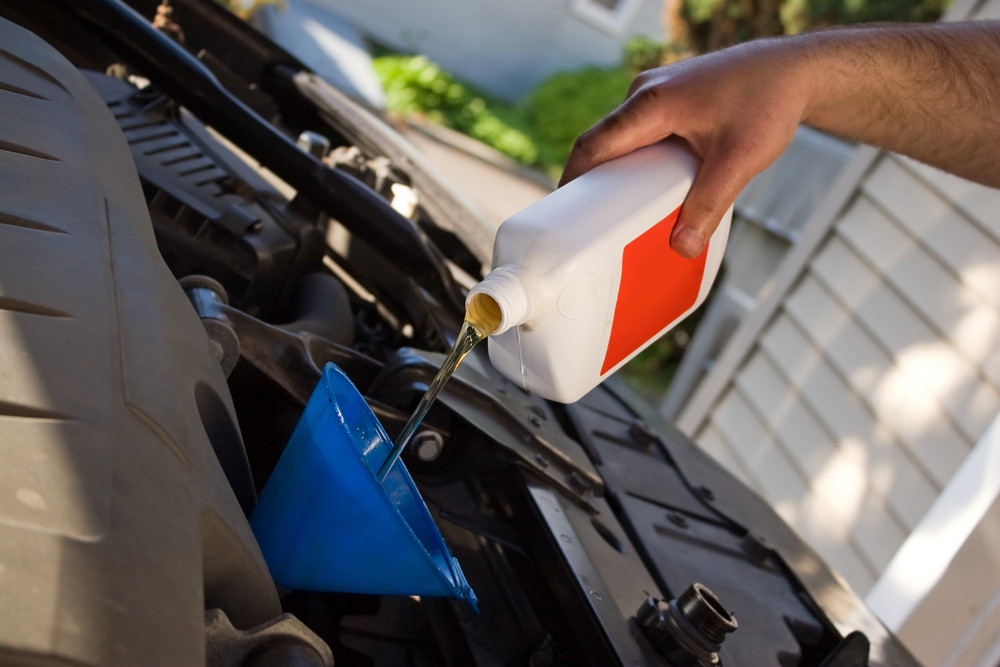
When it comes to maintaining your vehicle’s engine, one of the most important decisions you’ll make is choosing between synthetic and conventional oil. The type of oil you use can significantly affect your engine’s performance, longevity, and efficiency. While synthetic oils were once reserved for high-performance vehicles, they have become increasingly popular among a wide range of drivers. But how do you know if synthetic or conventional oil is best for your engine? Below, we explore some of the key differences between the two to help you make an informed decision.
What is Synthetic Oil?
Synthetic oil is manufactured using chemical compounds and is designed to offer superior lubrication, which can lead to improved engine performance. Because of its engineered properties, synthetic oil can withstand higher temperatures and provide better protection against engine wear and sludge build-up. One major advantage of synthetic oil is that it often allows for longer intervals between oil changes. For instance, on newer cars, experts suggest changing your oil every 5,000 to 7,000 miles when using synthetic oil, compared to shorter intervals for conventional oil, according to AAA.
Why Choose Conventional Oil?
Conventional oil, also known as mineral oil, is derived directly from crude oil. It provides sufficient lubrication for many types of engines and is often recommended for older vehicles or those with lower mileage. Because conventional oil is typically less expensive than synthetic oil, it may be appealing to those on a tighter budget. However, it can break down more quickly under extreme temperatures, which often necessitates more frequent oil changes and potentially increases the risk of engine deposits.
Which Oil Does Your Vehicle Need?
The decision between synthetic and conventional oil ultimately depends on various factors, including your vehicle’s age, your driving habits, and your budget. For drivers who frequently deal with extreme temperatures, travel long distances, or use their vehicle for towing, synthetic oil might be the better option due to its ability to provide enhanced engine protection. Meanwhile, drivers of older vehicles or those who do not rack up high mileage may find that conventional oil meets their needs adequately.
Both synthetic and conventional oils have their own sets of advantages and limitations. Carefully review your vehicle manufacturer’s recommendations, consider your driving conditions, and weigh the cost implications to determine the best oil type for your engine. Ultimately, regular oil changes and proper maintenance are the keys to keeping your engine running smoothly, regardless of the type of oil you choose. Call AM-PM Automotive Repair to schedule an oil change today!